Performance of the Fair Air Fire Mask

Performance of the Fair Air Fire Mask

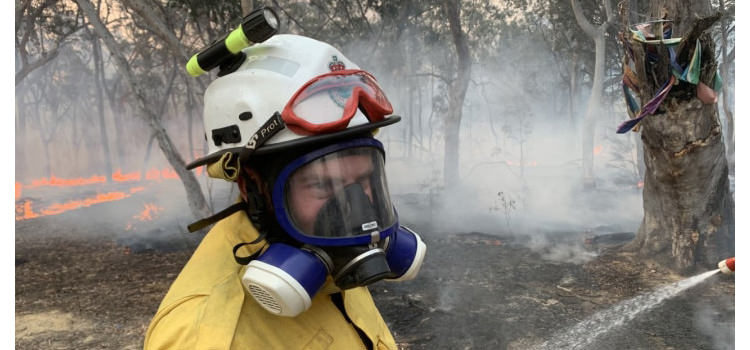
This post compares the performance of the Fair Air fire mask (Fair Air) against the requirements of AS/NZS 1716:2013 (the standard) for masks rated as P2. It also provides some detail regarding ISO 9151:1995(E) and ISO 15025:2000 which are international standards for fire resistance for protective clothing. The Fair Air fire mask is the only respirator to have passed,or could pass, these two standards (according to the experts at the CSIRO).

NSW Government bushfire inquiry to focus on failures in hazard reduction

NSW Government bushfire inquiry to focus on failures in hazard reduction

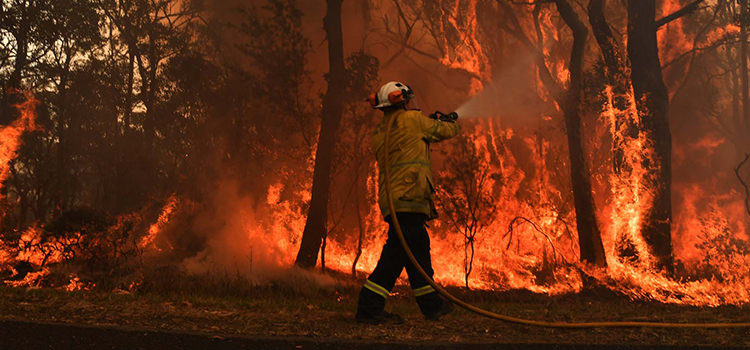
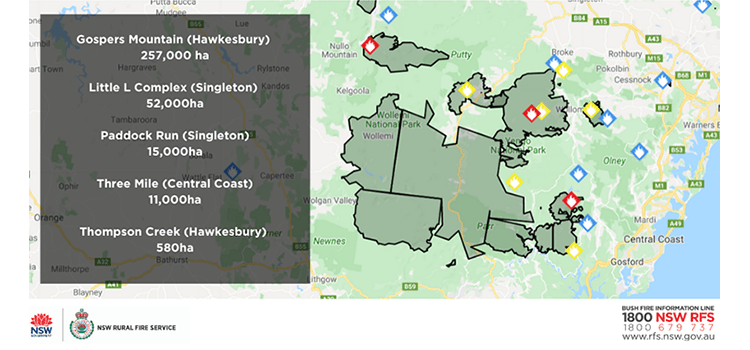
Claims that “green tape’’ worsened an already “difficult and dangerous’’ fire season will be investigated at a special ­inquiry that will probe the state’s bushfire hazard-­reduction strategies, including land clearing and burn-offs.

The federal government has also bowed to pressure to investigate if the ongoing deadly fire season was fuelled by a failure to properly manage vegetation in national parks, forests and on private properties with temperatures expected to soar.

Unprecedented?

Unprecedented?

People are losing their lives, and we are experiencing unprecedented environmental, social and economic destruction as a result of bad politics. It is entirely within your power to put an end to this abhorrent situation. Instead, Australians are being told that fires are uncontrollable in extreme weather, and there’s nothing we can possibly do.

However, Aborigines arrived about 65,000 years ago and established the world’s most durable culture. They maintained healthy and safe landscapes across Australia through 40,000 years of sometimes extreme climate change. They didn’t need boots, overalls, hard hats, smoke goggles, fire engines, waterbombers, computers, incident controllers or emergency services.
Rural Fire Service firefighter wins compensation for PTSD from State of NSW

Rural Fire Service firefighter wins compensation for PTSD from State of NSW

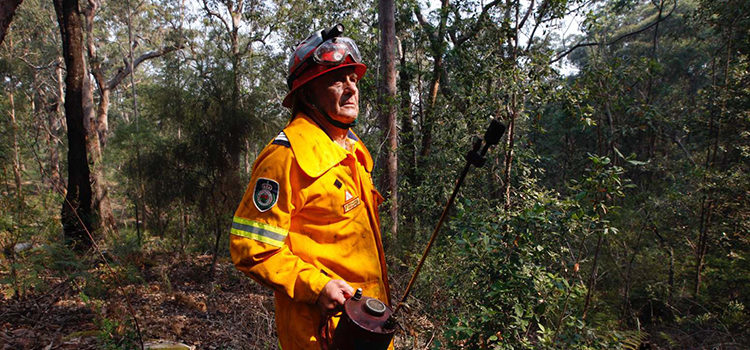
A volunteer firefighter has received compensation for chronic PTSD in a settlement with the NSW government in what is believed to be the first of its kind.

The NSW RFS has a duty of care for all of its workers and the majority of those are volunteers.

Recent bushfire events have highlighted the level of reliance upon our volunteer firefighters, but the NSW government has been asleep at the wheel in these matters.

Volunteer firefighter suffered chronic PTSD after attending 772 traumatic incidents, court told

Volunteer firefighter suffered chronic PTSD after attending 772 traumatic incidents, court told

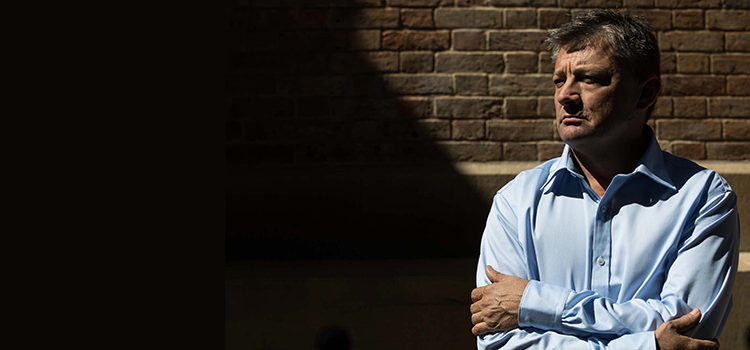
Simon Andrews, a volunteer rural firefighter with the NSW RFS developed PTSD during the course of attending more than 772 traumatic incidents over seven years was never told he was at risk of developing the disorder, court documents say.

RFS Welfare Manager, Paul Scott saw him once a month for a number of months but Mr Scott didn’t recommend Mr Andrews to see a doctor, psychologist nor psychiatrist.

Mr Andrews, is seeking damages at the Supreme Court in Sydney from the State of NSW for the suffering he says he experienced.

Many other volunteer firefighters have been abandoned by the NSW State Government.

It is high time bureaucrats and politicians stopped blaming climate change for a bushfire crisis that is very much of their own making and is putting lives at risk

It is high time bureaucrats and politicians stopped blaming climate change for a bushfire crisis that is very much of their own making and is putting lives at risk

No one is denying the gravity of what people and firefighters have been through now, but it is no use gilding the lily here.

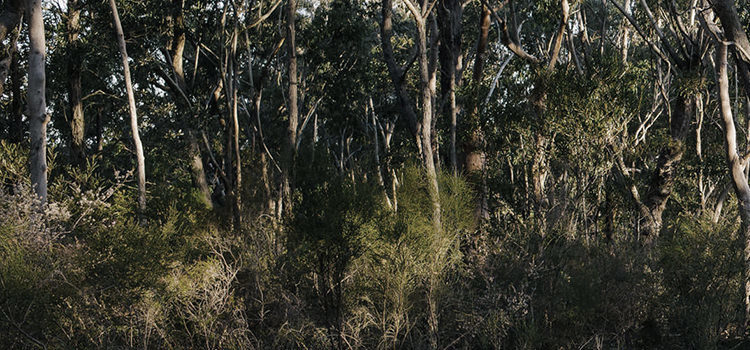
You can’t have a fire without fuel.

Two factors above all else come into play here.

In NSW, when Bob Carr was the minister, and later premier, he ratified moves to have fire trails abandoned.

Carr’s moves prevented access to those fire trails by the Rural Fire Service, under the pretext he was keeping four 4WDs and campers out.

The government put locked gates on these national parks and planted big rocks at the entry to the fire trails.

Understandably, the fire trails are now overgrown with regrowth forest, impenetrable to everybody except native and feral animals.

Yet it was these fire trails that enabled the fire fighters to get to the heart of a fire.

They could then create back burning and land clearing.

Fire fighters could mobilise earth-moving equipment and successfully put the fire out.

‘Mortally wounded’: how bushfire ruined the lives of Coonabarabran residents

‘Mortally wounded’: how bushfire ruined the lives of Coonabarabran residents

Coonabarabran residents in northern NSW looked on with a sense of deja vu at the forecast of catastrophic fire danger across the state this week.

It will be seven years in January since a fire that started in the Warrumbungle National Park in 2013 devastated properties in their area on what became known as Black Sunday.

The blaze burnt 56,000 hectares, injured 28 firefighters, razed 56 homes and killed hundreds of livestock. At the peak of the fire, 100 residents were evacuated.

Residents blame the state government for mismanagement of the national park and have fought for compensation. So far, despite the damning findings of a parliamentary inquiry and the promises of the relevant minister, their calls have gone unanswered.

Farmer Stephen Lill lost 200 cattle that day – and the repercussions continue today.

Safety in numbers: As a horror fire season looms, firefighters are struggling to attract new volunteers

Safety in numbers: As a horror fire season looms, firefighters are struggling to attract new volunteers

Too Much Red Tape:
Once we had a time where local brigades controlled their burning in their own patch. There wasn’t Big Brother looking over their shoulder asking them to tick a box, and they got burning done.

Over Bureaucratic:
One crew had been delayed by more than an hour from attending a fire because it didn’t have a volunteer with the right paperwork to drive an RFS truck. The crew member had done all the training but had to contact headquarters to get a form signed off before they could head out.

Looking After our Volunteers:
Maybe it’s time to think about how we assist volunteers financially, whether it be a tax break, or free diesel, or monetary payment or something to help volunteers balance the books when it comes to giving up their time.

where to buy viagra buy generic 100mg viagra online
buy amoxicillin online can you buy amoxicillin over the counter
buy ivermectin online buy ivermectin for humans
viagra before and after photos how long does viagra last
buy viagra online where can i buy viagra