The Noisy Scrub-bird (Atrichornis clamosus)
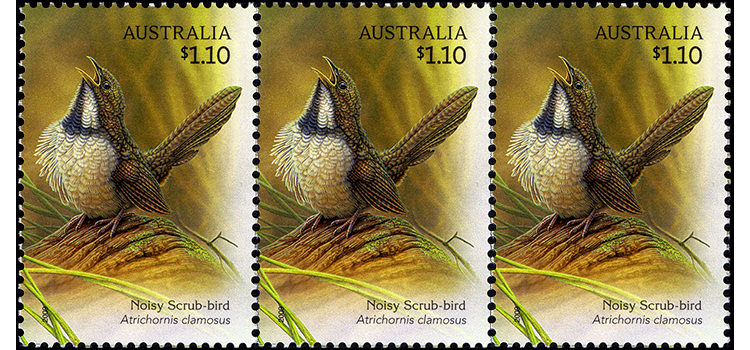
The Noisy Scrub-bird (Atrichornis clamosus)

An interesting letter from a former employee of the Department of Conservation and Land Management in WA (now Department of Parks and Wildlife).
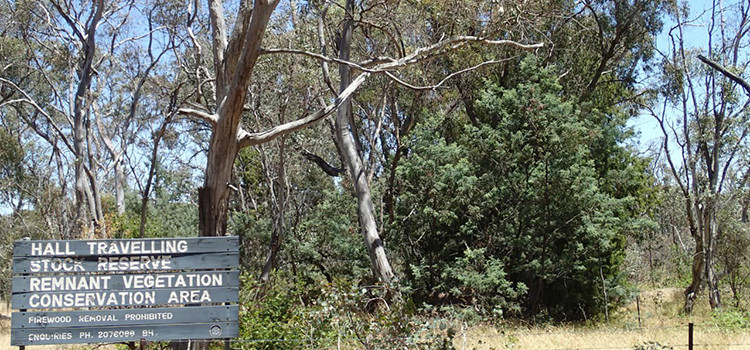
His story concerns a fire in the nature reserve at Mount Manypeaks, located about thirty kilometres east of Albany on the WA south coast. This is considered one of the State’s most important reserves, being home to the Noisy Scrub-bird (Atrichornis clamosus), one of our most endangered species. The Noisy Scrub-bird (NSB) was for many years considered extinct, but then a small remnant population was located at Two People’s Bay nature reserve in the 1960s. From here, birds have been successfully translocated to several suitable locations, including Mt Manypeaks, and this in time became the principal population of the species. Since they were originally rediscovered within bushland that had been long-unburnt, wildlife scientists concluded that the bird (which is ground-dwelling) would only survive if fire was permanently excluded from its habitat.
Fire exclusion thus became the policy for all reserves in which the noisy scrub-bird occurred.

Water bombers a waste of money for preventing catastrophic bushfires says veteran fire researcher

A retired general manager of the former Department of Conservation and Land Management has questioned the effectiveness of water bombers in fighting large-scale fires such as those in Western Australia this bushfire season.
People are looking for a technological fix to what is basically a problem of land management.

Water Bombing and Magic Bullets

Water Bombing and Magic Bullets

The most fundamental tool of the bushfire manager is not the fire tanker, the bulldozer, or even the water bomber. It is the match. The only way to minimise fire intensity and damage is by reducing the amount of fuel before a fire starts. Military people refer to this approach as the pre-emptive strike … we call it fuel reduction.

If press releases and photo ops could put out fires, no bush town would ever again need to fear the flames of summer. The sad and simple fact, however, is that they achieve little at enormous cost. Is it any wonder empire-building bureaucrats love them so?

Barry Aitchison OAM – Well Deserved

Barry Aitchison OAM – Well Deserved

Barry Aitchison was awarded a Medal of the Order of Australia (OAM) in the general division as recognition for his service to the community of the Monaro.
Barry is well known and a highly respected former Fire Control Officer, Operations Officer and Firefighter who represented the Snowy River, Bombala and Cooma Monaro Fire Districts for well over 30 years.
Those who know Barry will be very pleased that this OAM has been awarded to most deserving bushman with a passion for the locals, the bush and its’ future.

Hazard Reduction Targets – Not Even Close

I am perplexed when I read about the ever increasing NSW RFS budget and the way that the government uses the good name of the Volunteer fire fighters to justify its grab for cash.
They claim that they need more money for hazard reduction and we learned in the press this week (21st Jan 2016), that they are not meeting those targets.
They are not even close…

Australian Bushfire Management – wisdom versus folly

This post includes the paper by Roger Underwood titled “Australian Bushfire Management: a case study in wisdom versus folly”.

The choices before us are straight-forward:

Do we (Australians) want our bushfire and land management planning done by professionals with front-line experience, or by campus intellectuals and ideologists?

Is it smarter to manage bushfire fuels by burning them at times of our own choosing when conditions are mild, or to stand back, do nothing and risk being engulfed by fire at the worst possible time?

If fires are inevitable, which is preferable:

A controlled or a feral fire?

And do we see humans as part of the ecosystem and plan accordingly, or do we see them as interlopers, as illegal immigrants in the Australian bush?

Do we opt for Wisdom or for Folly?

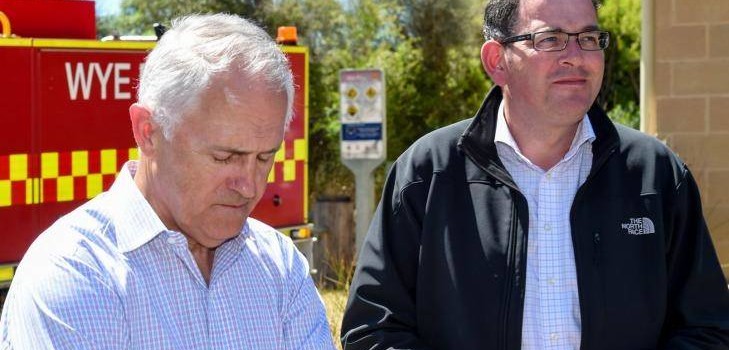
A Burning Issue for the PM

A Burning Issue for the PM

The lightning strike that initiated the Lorne evacuation was a routine event.

Such fires once were extinguished by teams of local fire fighters. Victoria’s former Chief Forest Fire Officer Rod Incoll recently detailed how the job was done when he worked in the Otways adjacent to Lorne and the destroyed township of Wye River.

Back in the day, Rod’s crews would “hold” the fire with a rigorous first attack enlisting backup from other forest districts and bulldozers.

They would expect to control the fire within two or three days, and they would do so on a relatively small budget when compared with the avalanche of money that builds and expands bureaucratic empires while simultaneously, and perversely, worsening bushfire danger.

Fire Power – Landline ABC

Fire Power – Landline ABC

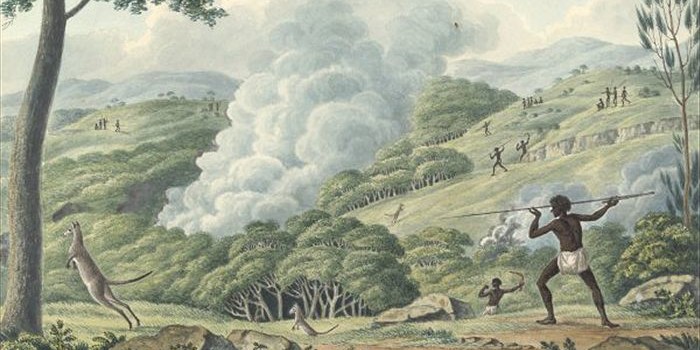
Although the Australian continent is shaped by fire and flood, large-scale devastating bushfires are a man-made modern phenomenon. That’s the view of distinguished historian Bill Gammage, who argues that Australians have failed to understand their environment. His views may be contentious, but his book has won the nation’s top literary prizes and continues to win new and influential supporters.

Bill Gammage contends that to confront the future, we must learn from the past. Specifically, and crucially, we need to heed the ancient knowledge and practices of Indigenous Australians.

Academia’s Flaming Nincompoops

I have come to despair over the bushfire situation in Australia. It has gone from bad to worse over the last 25 years, with our bushfire authorities increasingly opting to reject “the Australian Approach” (built upon pre-emptive fuel reduction) in favour of “the American Approach” (using expensive technology to fight fires after they start). In adopting this futile approach, bushfire authorities have aligned themselves with the green academics who oppose fuel reduction. The result is more and worse bushfire damage to the detriment of Australians and our environment, including its biodiversity.

where to buy viagra buy generic 100mg viagra online
buy amoxicillin online can you buy amoxicillin over the counter
buy ivermectin online buy ivermectin for humans
viagra before and after photos how long does viagra last
buy viagra online where can i buy viagra