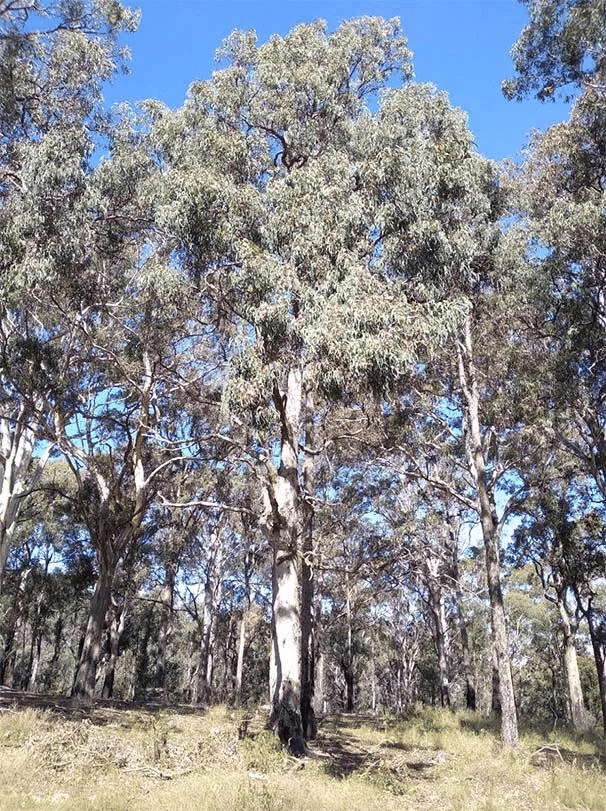
Source & image credit: John O’Donnell
Prescribed burning is the controlled application of fire under specific environmental conditions. It remains essential for sustaining Australia’s fire-adapted biodiversity, ecosystem processes, and long-term landscape resilience.
For thousands of years, Aboriginal cultural burning shaped these ecosystems. Frequent, mild, patchy fires maintained open, grassy understoreys, stable fuel dynamics, and predictable habitat mosaics that supported native fauna and plant regeneration.
The collapse of traditional fire stewardship following European settlement triggered profound ecological shifts. Dense shrub layers replaced grassy groundcovers, leading to continuous fuel accumulation and woody thickening. Paleoecological evidence confirms that today’s severe megafires are unprecedented in the long-term record, as intense landscape-scale fires were historically rare. Without regular mild fire, many ecosystems are crossing critical resilience thresholds. This results in canopy collapse, loss of hollow-bearing trees, altered nutrient cycling, and widespread wildlife declines.