We’re putting $30M helicopters in the drink, we’re burning houses, and
we’re destroying the environment.
Bring back Indigenous land management for a brighter (and less costly) future.
Bring back Indigenous Land Management


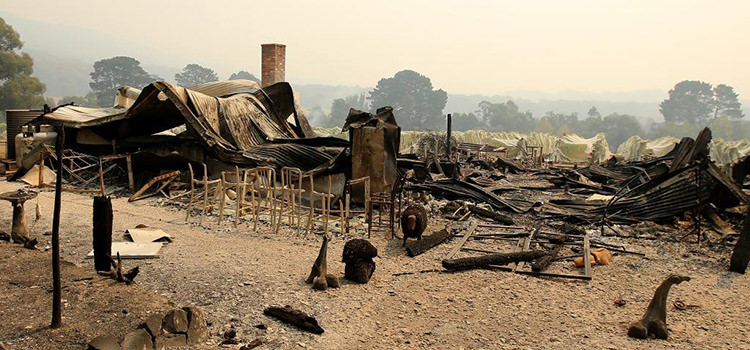
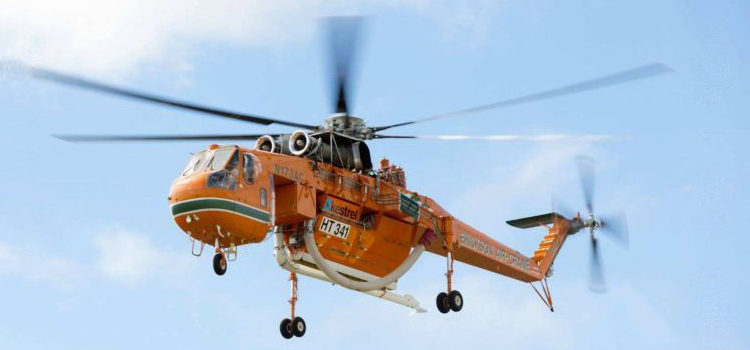
We’re putting $30M helicopters in the drink, we’re burning houses, and
we’re destroying the environment.
Bring back Indigenous land management for a brighter (and less costly) future.

Burning the bush to prevent catastrophic fires is something that rural fire services all over the country have been doing for decades. But Aboriginal Australians have been doing it for tens of thousands of years—and their “cool burns” are making a welcome comeback.

A recent article in the Sydney Sunday Telegraph paints a despondent picture: horrible bushfires are “the new normal” because of climate change.
The fire season, we learn, now extends to nearly 10 months of the year, and bushfires have become so intense that they cannot be stopped before immense damage is done.
According to recently retired NSW fire commissioner Greg Mullins (now a member of the Climate Council): “The price of inaction [on climate change] will increasingly be paid in lives lost and communities shattered”.

Melissa Price, the new federal Environment Minister, has done untold political damage to a government already divided over climate action by spouting idiotic green propaganda about Victoria’s bushfires.
On Tuesday, she linked the fires to climate change, claiming there is “no doubt” of its impact on Australia.
“There’s no doubt that there’s many people who have suffered over this summer. We talk about the Victorian bushfires … There’s no doubt that climate change is having an impact on us. There’s no denying that.”
Sorry, minister, it wasn’t climate change that caused the latest bushfires which have so far destroyed nine homes in Victoria, and it wasn’t climate change that killed almost 200 people in the Black Saturday fires ten years ago.
The real culprit is green ideology which opposes the necessary hazard reduction of fuel loads in national parks and which prevents landholders from clearing vegetation around their homes.

The owner of a Tonimbuk winery destroyed by bushfire said his property might have been spared if only the Victorian Government had pursued a more active fuel reduction policy.

Firestick Estate sent a letter to the Prime Minister Mr Morrison on the 22nd February 2019.
This is what they said:
I’ve heard Indigenous Australians talk about upside down country, with loads of foliage on the forest floor and not enough in the crown.
The VFFA has been accused of being too political, but it may just take some political clout to get the job done.

Risk management strategies are widely used by all people in the modern world and the hierarchy of controls has become standard practice.
As fires are becoming larger, the risks associated with firefighting operations are also increasing. Aviation is being used at huge cost (financially) and the recent accident involving an Aircrane firefighting helicopter is a reminder of the risks for both aviation and ground crews.
Thankfully, no one was seriously injured during this aviation incident.

This video shows some country that is burned almost every year. Flame heights are low and the country looks great.
If you let the scrub get up, the flame heights damage the environment.
This is a simple formula for healthy country and reduced destruction from wildfire.

It was disappointing to read the article by Greg Mullins that was published in the Sunday Telegraph on Sunday 20th Jan 2019.
Mr Mullins is a well respected and long serving Commissioner of Fire and Rescue NSW. That respect was attacked by many readers as they posted comments on social media after reading the article.
From a VFFA perspective, it was disappointing that Mr Mullins failed to address the issue of FUEL loads as he blamed climate change for the wildfire problems we are facing.
The VFFA has always stated that “regardless of where any individual sits in the climate change debate, there can be no doubt that large fuel loads result in larger fires”.