Let’s not forget fuel?

Let’s not forget fuel?

Most firefighters will recognise the image (above), it is used in text books and in classrooms to teach the very basics of firefighting, you need all three sides of there fire triangle for fire to occur. We cannot control the heat of any given day, we cannot control how much oxygen is in the air but we can control many types of fuel loads.

Given that the fire triangle is such a simple and basic concept then why is the “F” word (Fuel) omitted from many news articles, papers and other references to the worsening bushfire threats to our communities. See the news examples in this post…

Blazing row over bushfires

This newspaper article raises a number of complex issues including:

1. Do we have sufficient number of rangers for day to day operations and proper land management of our national parks?
2. If park rangers deserve an increased rate of pay, should it be built into their base pay rate? They should not have to rely on firefighting operations to supplement their income.
3. Is it appropriate to pay firefighters an excessive rate of pay over and above their normal rate during firefighting operations?
4. Remembering that volunteer firefighters (particularly those who are self employed) can often find themselves fighting fires at personal cost. Is it appropriate to pay other firefighters who are working alongside them an excessive rate of pay?

These issues could be mitigated if proper land management practices and increased burning regimes were adopted.

Spend more money on mitigation and less on mayhem…

Who is to blame?

Is it the power company’s fault?

Is it the land managers fault for not reducing the fuel near the powerlines?

Is it the councils fault for not allowing sufficient fuel reduction?

Is it the Green’s fault for influencing the publics perception of bushfire mitigation?

What about lightening strikes, should we sue God for fires that are started by lightening? or

Is it time that we had a good hard look at ourselves and our environment and we get back to sound land management practices that include fuel reduction (quality burns)?

Our country needs to burn more – Indigenous fire manager

Our country needs to burn more – Indigenous fire manager

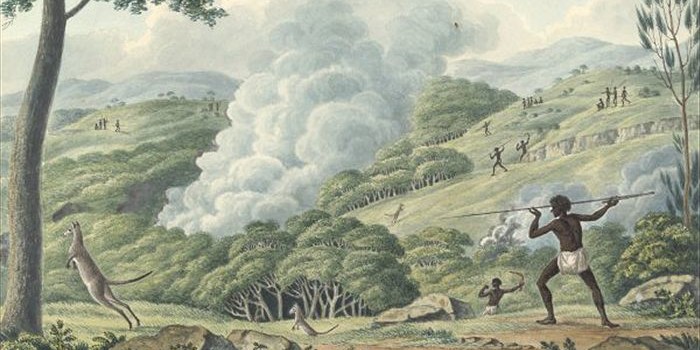
Indigenous burning is very distinctive, in purpose and method.

While Western cultures tend to focus on aftermath, its focus is on prevention: managing fuel loads and reading the land to ensure flora and fauna stay healthy.

Indigenous burning is cool: temperatures remain low so flames never reach the canopy.

“The canopy is whole other world,” says Steffensen. “The canopy is so important to us because that’s the life of the flowers, the fruits, the birds, the animals … that top canopy is very, very sacred and the simple rule is that it never burns.

“If you burn the canopy, then you have the wrong fire. Fire should behave like water, trickling through the country so it doesn’t burn everything.”

Traditional burns are also started from ‘fire circles’ and patterns that allow the fire to spread out in a 360 degrees radius. This allows animals to escape as they smell the smoke and keeps temperatures down, with only one fire front to manage.

Steffensen says this kind of fire knowledge has been lost over the centuries, both as a result of colonisation – the diffusion of knowledge throughout the stolen generations, the introduction of non-native weeds that spring up when the canopy burns – and of our migration towards cities. Even European pastoralists knew how to manage the land with fire, he says.
Line of Fire – SBS News

Line of Fire – SBS News

Congratulations to SBS insight for producing a brilliant program that is a “must see” for all Australians that want to see our environment protected.

By SBS Insight
Airdate: Tuesday, February 16, 2016 – 20:30 (click the read more button to view this program online)
Channel: SBS

I urge everyone to take the time to watch this program.

Feel free to add your feedback and comments below, we will publish any appropriate comments for the positives and negatives.

What would nature do if we weren’t here?

What would nature do if we weren’t here?

“Hotter temperatures, reduced rainfall in key seasons and worse fire weather, are all consistent with what is projected with climate change, particularly under a high-emission scenario,” said Michael Grose from the CSIRO.

David Bowman from the University of Tasmania said. “If there was something simple that could be done, it would be done.”

Indigenous Australians managed the land without bulldozers, large aircraft and huge budgets.

In terms of bush firefighting, a wise man once said “The only fires that humans can put out are the ones doing some good”.

Water bombers a waste of money for preventing catastrophic bushfires says veteran fire researcher

A retired general manager of the former Department of Conservation and Land Management has questioned the effectiveness of water bombers in fighting large-scale fires such as those in Western Australia this bushfire season.
People are looking for a technological fix to what is basically a problem of land management.

Hazard Reduction Targets – Not Even Close

I am perplexed when I read about the ever increasing NSW RFS budget and the way that the government uses the good name of the Volunteer fire fighters to justify its grab for cash.
They claim that they need more money for hazard reduction and we learned in the press this week (21st Jan 2016), that they are not meeting those targets.
They are not even close…

Fire Power – Landline ABC

Fire Power – Landline ABC

Although the Australian continent is shaped by fire and flood, large-scale devastating bushfires are a man-made modern phenomenon. That’s the view of distinguished historian Bill Gammage, who argues that Australians have failed to understand their environment. His views may be contentious, but his book has won the nation’s top literary prizes and continues to win new and influential supporters.

Bill Gammage contends that to confront the future, we must learn from the past. Specifically, and crucially, we need to heed the ancient knowledge and practices of Indigenous Australians.

Farmer uses old methods to win fire fight

Farmer uses old methods to win fire fight

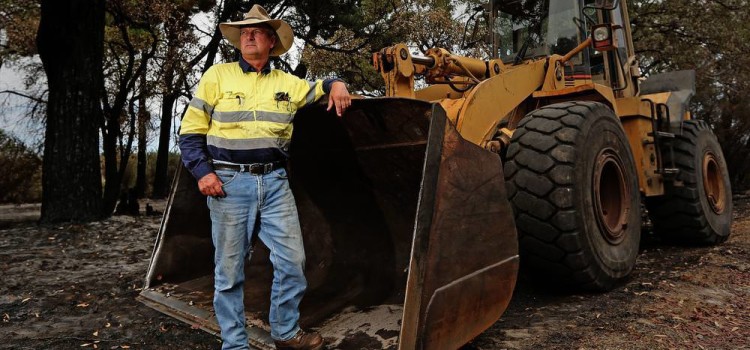
Forty years ago we did not have mobile phones or water bombers and we did the job, so we are failing somewhere.

Mr Stacey said that he is concerned about red tape and methods he believes prevented the fire being tackled earlier, and with more resources.

The idea is to get either side of the fire, and bring it in, and bring it in, and bring it in until you can strangle it.

where to buy viagra buy generic 100mg viagra online
buy amoxicillin online can you buy amoxicillin over the counter
buy ivermectin online buy ivermectin for humans
viagra before and after photos how long does viagra last
buy viagra online where can i buy viagra