Here’s how to prepare a evacuation “go bag” that you can quickly grab in case you ever need to evacuate.
How To Pack A ‘Go Bag’ For Emergency Evacuations
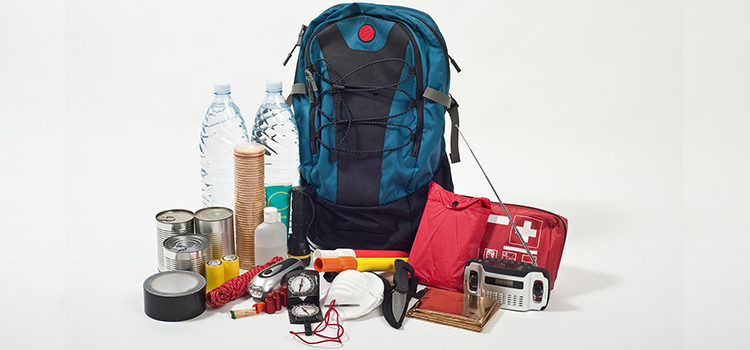
Here’s how to prepare a evacuation “go bag” that you can quickly grab in case you ever need to evacuate.
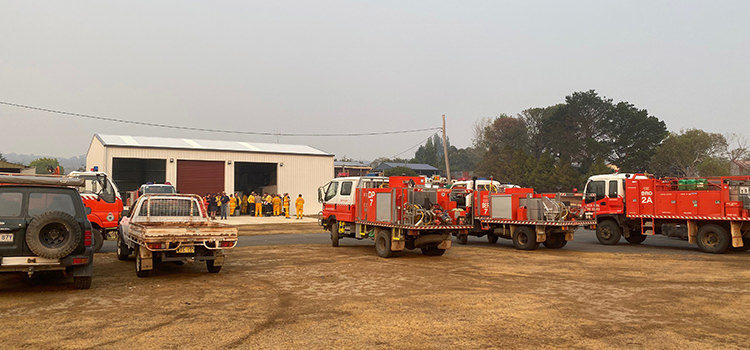
The Volunteer Fire Fighters Association (VFFA) is being flooded with offers of support and assistance.
The VFFA has received many inquiries from people who are wanting to:
1. donate money,
2. donate food and water, and
3. provide logistical support and assistance.
The following information is provided for anyone who wishes to support firefighters or the firefighting effort in NSW.
The VFFA congratulates the NSW RFS after receiving a positive feedback story from one of our members.
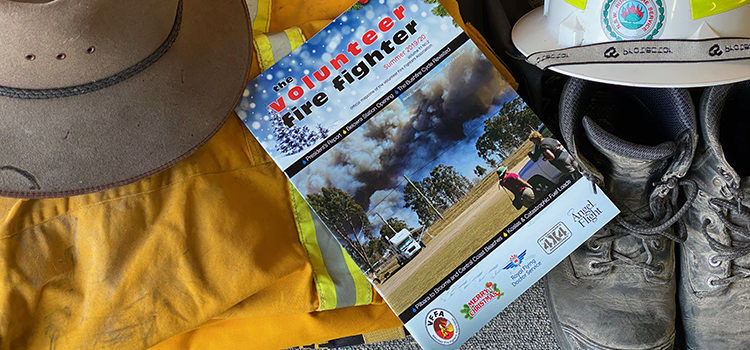
The 2019 Summer edition of the VFFA magazine is available now in hardcopy, view online or as a download.
As former State Fire Chiefs call for a summit on bushfires, expert and scientist David Packham explains that it has nothing to do with climate change and everything to do with fuel-loads.
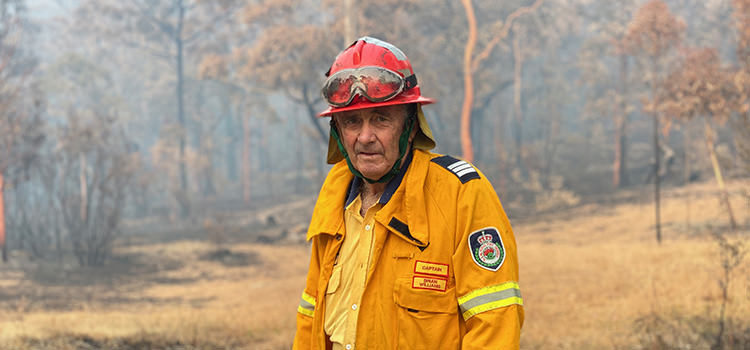
VFFA Vice President, Brian Williams talks to Jane Marwick (2GB) about management of bush fire fuel and the difficulties people face when applying for permission to conduct hazard reduction activities.
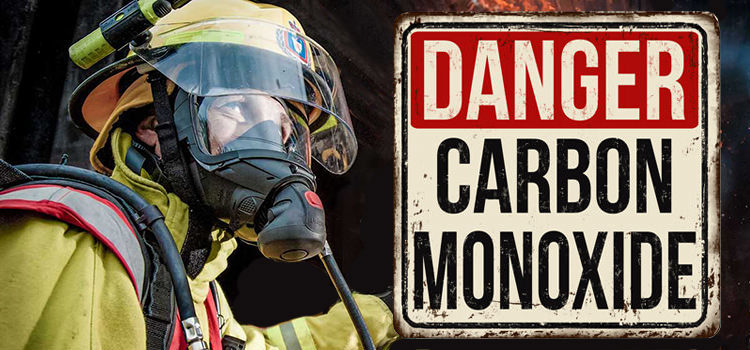
Most firefighters know and except that it is impossible to eliminate exposure to Carbon Monoxide unless you choose to self contained breathing apparatus (SCBA).
If comfort and reduction of irritation is the primary concern, there is a variety of disposable and reusable air filtering respirators. Each type has advantages and disadvantages in specific applications. By capturing the smoke particles and some of the off gases, irritation from smoke inhalation can be significantly reduced.
If our volunteer firefighters are concerned about smoke exposure, we owe it to them to better understand the problem and provide some reasonably practicable solutions.
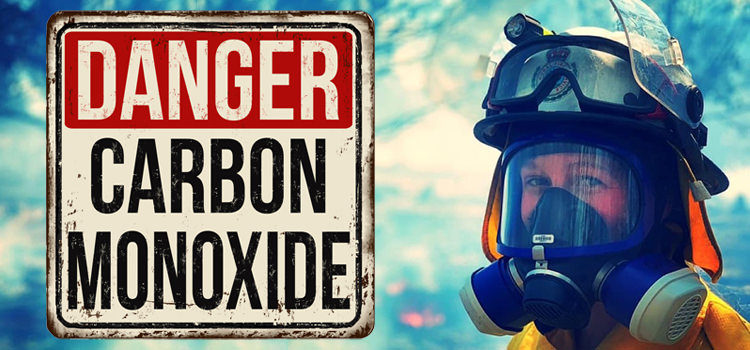
The respiratory protection options that are being provided to volunteer firefighters by the NSW Rural Fire Service are very limited and could impact upon firefighter health.
The simple fact that firefighters are raising concerns on social media and other platforms is reason enough to investigate further.
Concentrations of CO and fine particulate matter in fire zones commonly exceed the short-term occupational health standards and can be between 100 and 1000-fold higher than ambient air quality standards. Indeed, CO concentrations exceeding 300 parts per million and fine particulate matter concentrations of 100 micrograms per cubic metre (µg/m³) are common around bushfires.

The VFFA has been pushing for our volunteers to be appropriately compensated with legitimate expenses so that they are not out of pocket. These expenses might include a loss of income for many volunteers.
This type of assistance is designed to assist our volunteers and is not intended to become a payment scheme.
The VFFA President was interviewed by The Project on this matter.