Read full report here.
Reducing bushfire extent, a key benefit of prescribed burning [AU]
![Reducing bushfire extent, a key benefit of prescribed burning [AU] Reducing bushfire extent, a key benefit of prescribed burning [AU]](https://volunteerfirefighters.org.au/wp-content/uploads/2026/06/Pages-From-Reducing-bushfire-extent-a-key-benefit-of-prescribed-burning-AU_1-750x350.jpg)

![Reducing bushfire extent, a key benefit of prescribed burning [AU] Reducing bushfire extent, a key benefit of prescribed burning [AU]](https://volunteerfirefighters.org.au/wp-content/uploads/2026/06/Pages-From-Reducing-bushfire-extent-a-key-benefit-of-prescribed-burning-AU_1-750x350.jpg)
Read full report here.

John O’Donnell Assessment of fire management across south east Australia, including concerns, consequences, costs and opportunities Introduction Across Australia the 2019/ 20 bushfires burnt 18.74 million hectares across Australia, much of the areas at high intensity, 34 were lives lost

An indepth study by John O’Donnell looks back on all the major house and structure losses associated with major fires and distills the recommendations from these fires into 24 key principles in regards to town and city bushfire protection.
You can download your copy from the story.

An excellent article published on Facebook, Timber Offcuts magazine and WA Today highlights the continued failing of ‘academic experts’ to understand the fundamentals of hazard reduction.
Well worth a read!

A hard hitting article by the extremely knowledgable Vic Jurkis. Please read ….

We highlight farmer Martin Tebbutt’s fight with the NSW state bureaucracy for the right to clear a fire track around his property.
In our summary we examine the issues surrounding the Bushfire Envirjonmental Code, which is in need of a complete revision.

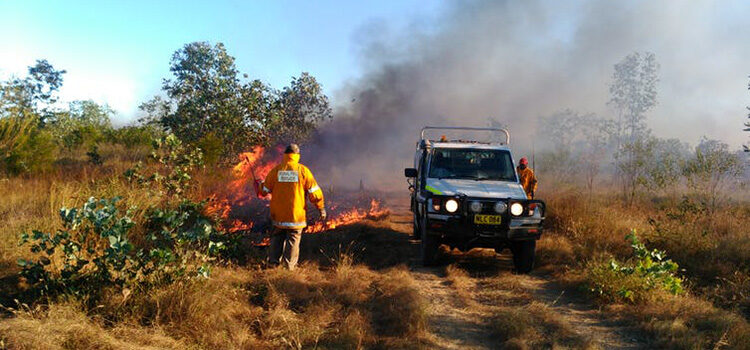
The team at the Charles Darwin University’s Darwin Centre for Bushfire Research has been working with Indigenous land managers, conservation, research and government organisations in northern Australia for the last 25 years to find more effective ways to manage wildfires.
These collaborations have led to a new approach, blending modern scientific knowledge with traditional Indigenous land management practices to reduce bushfire risk.
How? By reducing fuel load through a patchy mosaic of small, low intensity, burns early in the fire season that cut the risk of late dry season fires when greenhouse gas emissions are much greater.
AFAC’s CEO Stuart Ellis, in a well balanced piece, corrects a number of ex-APAC CEO Greg Mullins incorrect statements on hazard reduction and climate change.
It is most refreshing to see such clarity of view on the importance proper land management and effective fuel reduction has to play in managing the environment for climate change.
Thank you Mr Ellis!

I am writing to support the NSW Farmers proposal for grazing to be re-introduced into Crown Lands including National Parks.
I believe this need only be applied in marginal areas around National Parks which cannot be protected from fire by graded fire breaks. Many National Parks boundaries are on very steep and inaccessible areas thereby making fire and stock control very difficult.

Roger Underwood’s outstanding article on the Bushfire Royal Commission’s complete failure to address the root cause of the problem … prpoer fuel management.