The VFFA has 25 FLIR K1 Situational Awareness Cameras to give away, thanks to FLIR Systems for this generous donation.
If you would like to get one of these FLIR K1 Situational Awareness Cameras for your Brigade, send an email to…


The VFFA has 25 FLIR K1 Situational Awareness Cameras to give away, thanks to FLIR Systems for this generous donation.
If you would like to get one of these FLIR K1 Situational Awareness Cameras for your Brigade, send an email to…

The VFFA supports the NSW RFS direction that RFS Volunteers should bookmark and monitor the web site, https://www.rfs.nsw.gov.au/news-and-media/coronavirus for the latest updates.

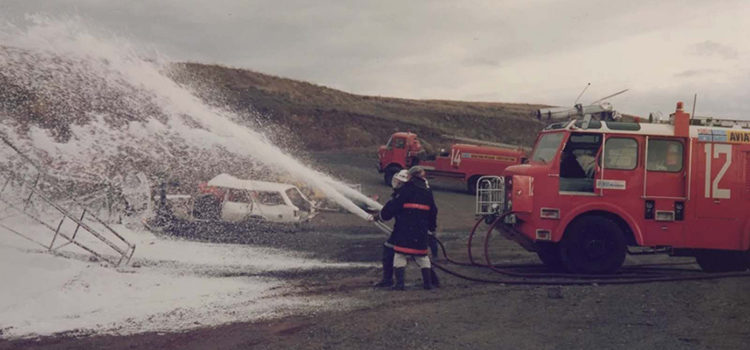
Early detection and suppression have greatly improved the survivability of people and property in an urban firefighting context, so why shouldn’t we adopt the same principles to look after the bush?
Early intervention improves other emergency response scenarios such as a first aid response to cardiac arrest.
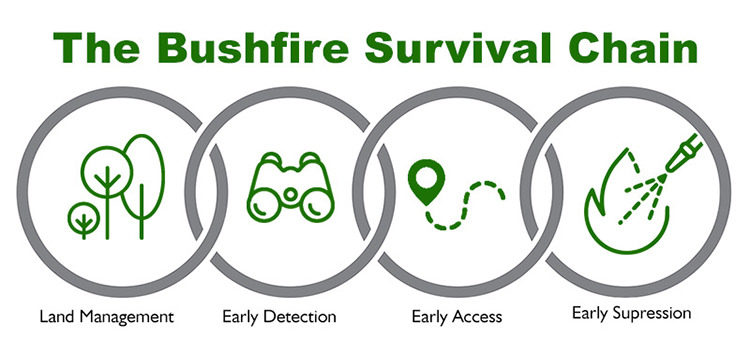
Perhaps we should follow a bushfire survival chain.

Government exposed to legal payouts after landmark finding that there is “good evidence” that toxic firefighting chemicals could cause some cancers.

You have seen our firefighters battling the bushfires on the news. Now, some of our these brave men and women have another battle to fight against PTSD and other forms of Operational Stress Injury.
Through funding campaigns, the RED Friday Organization is stepping up to help safeguard the mental health of our Firefighters.
This video may help to shed some light on the current situation.

The Australian Government has put measures in place so that families and individuals affected by bushfires can access resources quickly to ease the stress during the recovery phase.
The NSW Rural Fire Service & Brigades Donations Fund (the Trust) is a public fund established for the purpose of supporting the volunteer-based fire and emergency service activities of the NSW RFS brigades.
Bronnie Taylor, Minister for Mental Health has urged anyone suffering from trauma or stress as a result of the State’s bushfire crisis to contact their local health service.
The Disaster Welfare Assistance Line is staffed with counselling support and can be accessed by phone on 1800 018 444.
More help can be accessed via:
NSW Mental Health Line on 1800 011 511,
Lifeline Australia on 131114, or Lifeline’s dedicated bushfire line on 13 43 57,
Beyond Blue on 1300 224 636,
Mensline on 1300 789 978 or
Kids Helpline on 1800 551 800.

A day on the water for firefighters and their families that have been on duty in the devastating bush fires across Australia.

Fire, land management and emergency workers can be exposed to a range of hazards and risks when completing work tasks. These may vary depending on the incident type, the urgency of response and environmental conditions.
Given the nature of emergency response work, it has been acknowledged that established safe work practices and risk management approaches that apply in non-emergency situations may not be appropriate to use while responding to an emergency. Additionally, the practice of prescribed burning gives rise to situations where it is impossible for workers to avoid some exposure to bushfire smoke. Agencies have an obligation to ensure that their responders are protected from hazards, as far as reasonably practicable, regardless of whether they are responding to an emergency or not.